
Vaccines Across Ages: Protecting Children, Adults & Travelers Alike
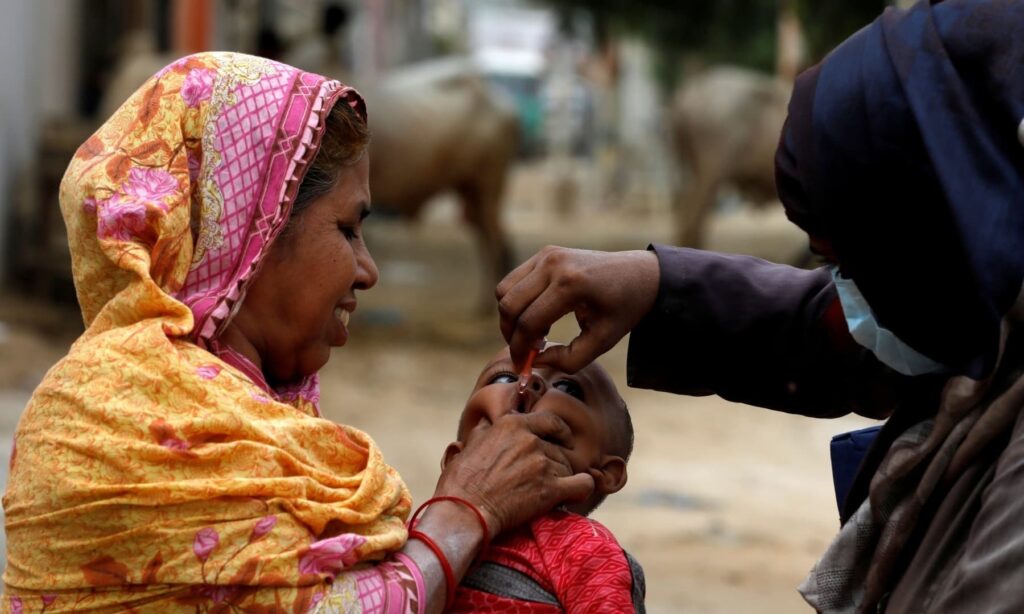
Vaccines are one of medicine’s most powerful tools, protecting people at every stage of life—from newborns to seniors. They don’t just prevent illness; they save lives, reduce healthcare costs, and create healthier communities. Whether it’s a baby’s first polio shot, a flu jab for adults, or a yellow fever vaccine for international travelers, each dose is a step toward a safer future.
Introduction
Vaccines are among the greatest achievements in medical history, saving millions of lives each year. But delivering them safely to every person—from crowded cities to the remotest villages—is no small feat. The journey from manufacturer to patient involves a highly coordinated effort in storage, transportation, and administration. Without proper systems in place, vaccines can lose their effectiveness before they ever reach the people who need them most.
Why Vaccine Logistics Is a Lifesaving Mission
Vaccines protect against deadly diseases, but only if they are potent when administered. Poor handling, temperature changes, or delays in delivery can weaken or destroy them, leaving communities vulnerable.
-
Preserving Potency – A vaccine that isn’t stored and transported at the right temperature becomes useless, no matter how advanced it is.
-
Global & National Health Impact – Delays in vaccine distribution can lead to outbreaks, which can spread quickly across states and even borders.
Key Elements of a Reliable Vaccine Supply Chain
1. Cold Chain Storage
Vaccines are highly sensitive to temperature changes, typically needing to be stored between 2°C and 8°C.
-
Specialized refrigeration units, deep freezers, and insulated containers ensure that vaccines remain potent.
-
Ultra-cold storage is required for certain modern vaccines, such as mRNA-based COVID-19 shots.
2. Real-Time Monitoring
Digital temperature sensors and IoT-based tracking systems continuously log vaccine storage conditions.
-
Alerts are triggered instantly if there’s any deviation from the safe range.
-
This prevents accidental spoilage and ensures accountability at every stage.
3. Specialized Transport Solutions
Refrigerated vans, insulated vaccine carriers, and even solar-powered coolers are used for transport.
-
Phase-change materials help maintain a stable temperature during long trips.
-
Motorbikes and boats are used in areas where traditional transport can’t reach.
4. Chain of Custody Documentation
Every transfer of vaccines—from the warehouse to the clinic—is recorded.
-
This maintains complete traceability.
-
If a temperature breach occurs, the exact point of failure can be identified and addressed.
5. Skilled Cold Chain Handlers
Staff receive training in safe vaccine handling to ensure no contamination or temperature fluctuation occurs during storage and delivery.
-
Handling guidelines include correct packaging, loading procedures, and monitoring during transit.
Challenges in Vaccine Delivery Across India
Geographical Diversity
From scorching deserts to Himalayan heights, India’s climate demands adaptable cold chain solutions.
-
Special carriers and temperature-controlled storage points are used in extreme weather zones.
Last-Mile Connectivity
Remote villages often require innovative transport methods such as motorbikes, bicycles, and even drone deliveries in pilot projects.
Infrastructure Limitations
In rural areas, lack of reliable electricity and cold storage facilities poses a major challenge.
-
Solar-powered refrigeration is emerging as a practical solution.
Our Commitment to Reaching Every Patient
Nationwide Cold Chain Network
We maintain strategically located vaccine storage hubs across India for quick dispatch to all regions.
Advanced Tracking & Transparency
Every shipment is GPS-tracked with live temperature data available for verification.
Rapid Response Capability
If any shipment faces delays or temperature issues, contingency measures are activated instantly—such as backup vehicles or re-routing.
A Real Story of Impact
In a flood-hit region of Assam, an urgent polio vaccination drive was at risk of delay due to road blockages. Our team coordinated an alternative route using boats and motorbikes, ensuring vaccines arrived within hours and the drive continued as planned. That day, hundreds of children received life-saving protection on time.
Conclusion: No One Left Unprotected
Delivering vaccines is about more than logistics—it’s about saving lives and safeguarding the future. By ensuring vaccines remain potent, protected, and delivered to even the most remote communities, we help make sure that no one is left behind in the fight against preventable diseases.