
The Hidden Guardian of Medicines
Temperature-sensitive medicines like vaccines, insulin, and cancer drugs can lose potency in minutes if mishandled. The cold chain ensures they stay safe, effective, and ready to save lives.
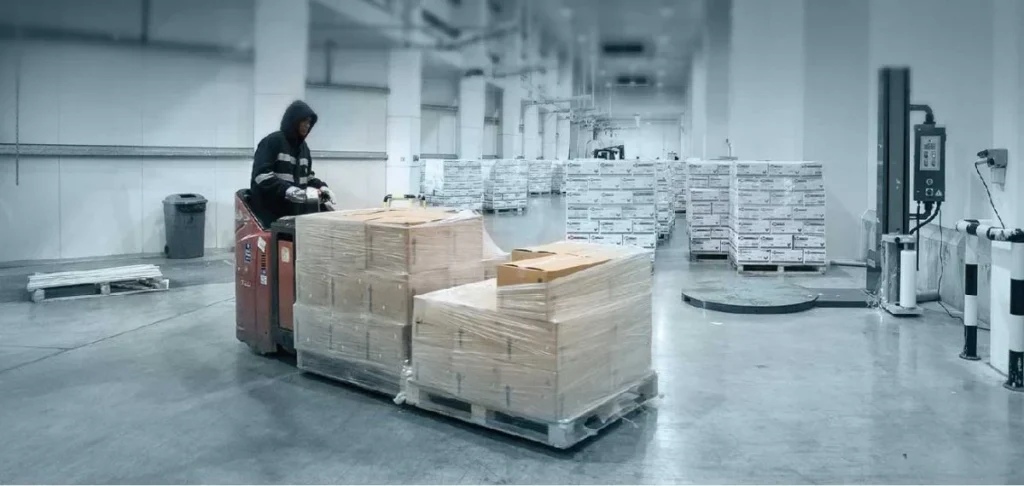
Introduction
When it comes to life-saving medicines, precision isn’t optional—it’s critical. Some drugs, especially vaccines, cancer medications, and fertility treatments, lose their potency if exposed to the wrong temperature—even for a few minutes. This is where the “cold chain” steps in—not just as a process, but as a lifeline for patients. Without it, the fight against diseases could be lost before it even begins.
Why Cold Chain Matters
Medicines such as insulin, biologics, and injectables are extremely sensitive to temperature fluctuations. If exposed to heat or freezing, they can degrade, lose efficacy, or even become harmful.
For patients, that could mean the difference between recovery and relapse, between life and loss. The stakes are especially high in oncology, critical care, and vaccination programs, where every dose must work exactly as intended.
How Cold Chain Works in Healthcare
-
Temperature-Controlled Storage – Medicines are stored in specialized refrigeration units, often between 2°C and 8°C, or in ultra-low freezers for certain biologics.
-
Real-Time Monitoring – Digital sensors track and log temperature data continuously, ensuring compliance at all times.
-
Specialized Transport – Insulated shippers, gel packs, phase-change materials, and refrigerated vehicles maintain stable conditions during transit.
-
Emergency Backup Systems – Power failures or route delays trigger immediate contingency protocols, such as backup generators or alternate delivery routes.
-
Chain of Custody Protocols – Every handoff is documented to maintain accountability and traceability.
-
Trained Cold Chain Handlers – Staff are trained to handle, pack, and transport medicines without compromising their quality.
Challenges in India
India’s vast geography, extreme temperatures, and remote rural areas present unique cold chain challenges:
-
Hot Climate – Summer heat can quickly degrade sensitive medicines during handling or transit.
-
Infrastructure Gaps – In rural areas, storage facilities and refrigerated transport may be scarce.
-
Power Interruptions – Frequent outages in certain regions make continuous refrigeration a challenge.
-
Last-Mile Delivery Issues – Remote villages often require creative solutions like portable vaccine carriers or motorbike delivery.
Without a robust cold chain, these challenges can delay or compromise patient treatment.
Our Commitment to Excellence
We have invested in world-class cold chain solutions that meet and exceed industry standards:
-
IoT-enabled Temperature Sensors – For real-time alerts and continuous monitoring.
-
GPS-Tracked Delivery Fleet – Ensuring both safety and transparency in transit.
-
Rapid Response Teams – Ready to intervene in case of temperature breaches.
-
National Network – Strategically located storage hubs for quick dispatch across India.
Every vial, ampoule, or syringe we deliver undergoes a zero-compromise quality check before reaching patients or healthcare providers.
Real Impact: A Story from the Field
In one instance, a cancer patient in a tier-3 city required an urgent injectable chemotherapy drug. Thanks to our cold chain system, the medicine traveled over 600 km in under 12 hours, arriving at the perfect storage temperature—ensuring treatment could begin without delay. Stories like these remind us that our logistics are not just about medicines—they’re about moments that save lives.
Conclusion: Every Degree Matters, Every Second Counts
The cold chain isn’t just a technical requirement—it’s the invisible shield that safeguards patient health. By maintaining the right temperature from manufacturing to the moment of use, we help ensure that every dose given is a dose that works.
In healthcare, delays cost lives—but with a trusted cold chain partner, patients can count on medicines arriving on time, in perfect condition, every single time.